
In the modern digital landscape, trust has become the cornerstone of any successful online platform, and nowhere is this more evident than in the realm of online transactions. Secure payment systems are not merely a convenience; they are a critical component that can profoundly influence user confidence, satisfaction, and long-term engagement. The foundation of trust in financial interactions is inherently tied to the assurance that sensitive information—such as credit card details, banking credentials, and personal data—is handled with the utmost care and protected from fraud or unauthorized access. When users perceive that their transactions are safe, they are more likely to engage consistently, explore additional services, and recommend platforms to others.
The first aspect of building trust through secure payments is encryption. Encryption transforms sensitive data into coded formats that can only be deciphered by authorized systems, effectively shielding it from potential cyber threats. Advanced encryption standards, such as AES-256, ensure that even if data were intercepted during transmission, it would remain unintelligible to malicious actors. Users may not always understand the technicalities behind encryption, but they recognize the reassurance it provides, particularly when visible cues like SSL certificates or secure lock icons accompany transaction forms. This combination of technical security and visual affirmation signals to users that their financial activities are being taken seriously, laying the groundwork for a trusting relationship.
Authentication mechanisms further enhance the perception of security. Multi-factor authentication (MFA), for instance, requires users to verify their identity through multiple channels—such as a password, a one-time code sent to a mobile device, or biometric verification. While this may introduce an additional step in the payment process, it demonstrates a platform’s commitment to safeguarding user accounts. The presence of MFA not only prevents unauthorized access but also subtly educates users about the importance of layered security, reinforcing a culture of vigilance and awareness. Over time, users internalize the notion that the platform values their safety, which can lead to increased loyalty and reduced churn.
Another key factor is the integration of reputable payment gateways. Established providers bring with them a wealth of experience in fraud detection, regulatory compliance, and secure transaction processing. Their reputation for reliability often extends trust by association. When users recognize familiar and respected names in payment processing, they are more inclined to complete purchases without hesitation. These gateways employ sophisticated monitoring systems to detect unusual patterns, such as multiple rapid transactions or attempts from suspicious IP addresses, and can intervene before fraud occurs. By leveraging these systems, platforms effectively outsource a significant portion of their risk management, providing users with an additional layer of protection.
Transparency also plays a crucial role in fostering trust through secure payments. Clearly communicating how payment data is collected, stored, and protected reassures users that there are no hidden agendas or risks. Privacy policies, terms of service, and visible notices regarding encryption and fraud protection demonstrate accountability. Users are more likely to feel comfortable providing their financial information when they understand the specific measures in place to protect it. Moreover, transparency extends to transaction confirmation. Immediate notifications, receipts, or real-time tracking of payment status give users confidence that their funds are handled efficiently and securely, reducing anxiety and building a sense of reliability.
Fraud prevention systems are a further essential element. Artificial intelligence and machine learning algorithms can analyze vast amounts of transactional data to identify anomalies that may indicate fraudulent activity. By flagging suspicious transactions in real time, these systems protect both users and platforms from potential losses. This proactive approach demonstrates an organization’s commitment to security and signals that user protection is an ongoing priority, not an afterthought. Users who experience minimal disruption and clear intervention when fraud is detected are likely to develop a strong sense of trust in the platform’s overall integrity.
Customer support also contributes significantly to trust in secure payments. When users encounter issues with transactions, responsive and knowledgeable support teams can alleviate concerns and prevent potential dissatisfaction. Providing multiple channels of support, such as live chat, phone, and email, ensures that users feel their concerns are acknowledged and addressed promptly. Effective communication during payment disputes or security concerns reinforces confidence that the platform is reliable and cares about user well-being. Over time, these positive interactions strengthen the psychological association between secure payments and dependable service.
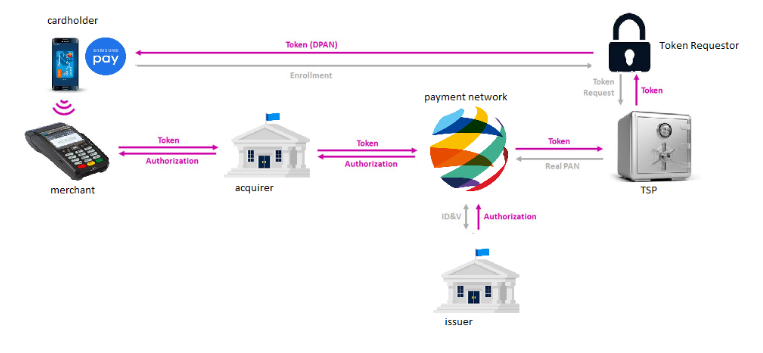
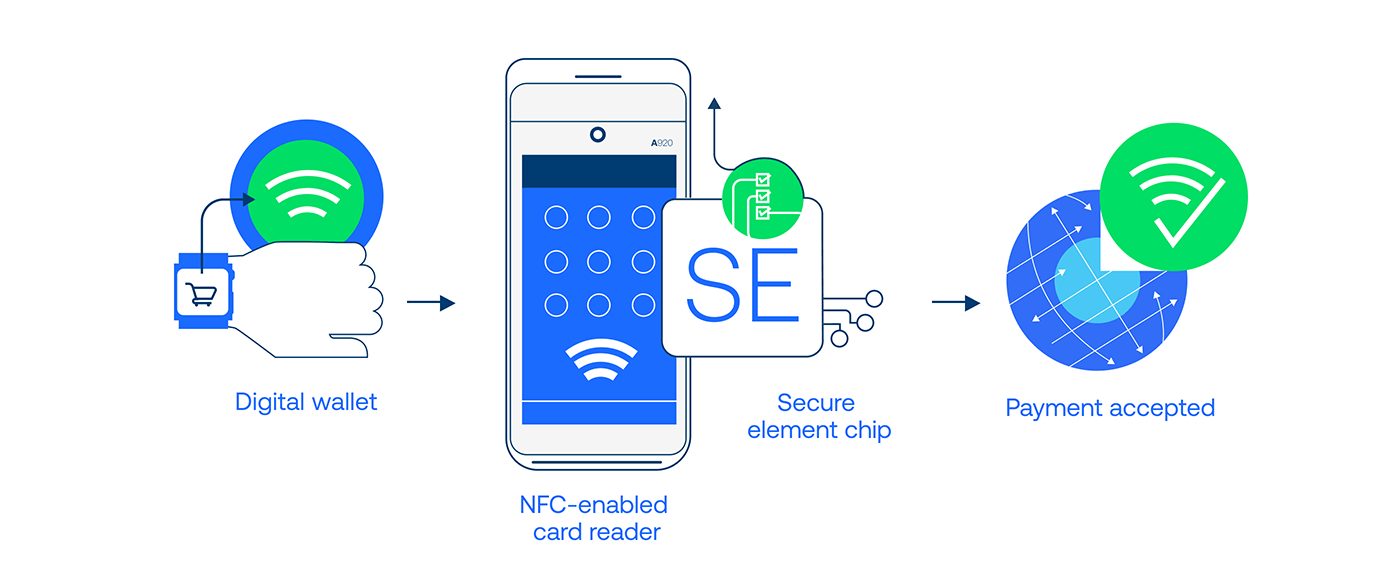
Mobile payment security has become increasingly relevant as smartphone transactions rise. Secure mobile payment solutions employ tokenization, which replaces sensitive card details with randomly generated tokens. These tokens carry no intrinsic value and cannot be exploited if intercepted, adding an extra layer of protection. Users often favor platforms that adopt these cutting-edge measures because they demonstrate a proactive approach to security that aligns with evolving technology trends. Convenience combined with security creates a seamless and reassuring user experience, encouraging repeated engagement and positive perceptions.
Regulatory compliance is another dimension that bolsters trust. Adherence to standards such as PCI DSS (Payment Card Industry Data Security Standard) ensures that platforms meet rigorous security requirements, including secure storage of payment information, regular security audits, and robust access controls. When users are aware that a platform complies with recognized industry standards, they are more likely to trust it with their financial information. Compliance communicates professionalism, accountability, and an alignment with best practices, all of which contribute to a sense of security and confidence.
Ultimately, secure payment systems cultivate a culture of trust by addressing both tangible and intangible aspects of user concerns. The tangible components include encryption, authentication, fraud detection, and compliance, all of which directly protect financial data. Intangible components, such as transparency, visible security indicators, responsive support, and the psychological comfort of using reputable gateways, reinforce user confidence and perception of safety. When these elements converge, they create a robust framework that reassures users, reduces friction in financial interactions, and fosters long-term loyalty. In today’s competitive digital environment, platforms that prioritize secure payments not only protect their users but also differentiate themselves as trustworthy, responsible, and reliable, establishing a foundation for sustainable growth and enduring relationships.
Trust is not built overnight, but consistent demonstration of secure practices assures users that their financial interactions are safe, predictable, and respected. This assurance, in turn, encourages engagement, advocacy, and a sense of partnership between users and platforms, reinforcing the principle that security and trust are inseparable in the digital economy.



Leave a Reply